Fed Chair Kevin Warsh declined to say what the Fed will do on Oct. 27-28. Kalshi's October-hike contract fell from 28 cents to 14 overnight. The 10-year Treasury yield had already closed Thursday at 5.10%, down 9 basis points, on the day of the biggest producer-price jump since 2022. Rates moved. Most other prices and headline numbers held up. Underneath several of them, the traffic thinned. 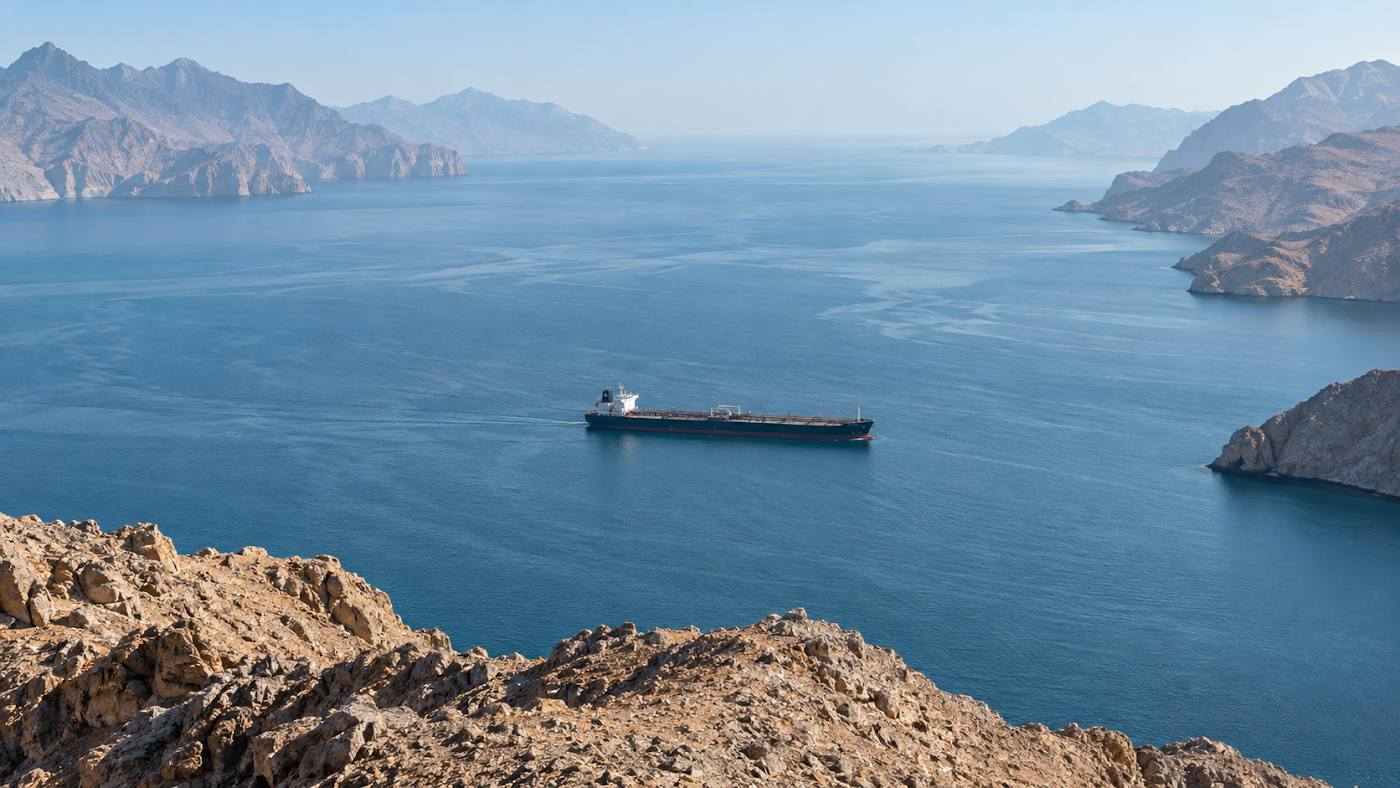
| 01 | Growth at the Top, Thinner UnderneathThree reports grew on the headline. Less of it reached profits, stock trading or loans. |
| Nearly Half of J.B. Hunt's New Revenue Was FuelJ.B. Hunt Transport Services (JBHT) grew third-quarter revenue 20% to $3.68 billion. Yet operating income rose only about $4.4 million on roughly $624 million of added revenue. Fuel surcharges supplied $285 million of that gain, and they largely pass fuel costs on to customers, so they swell sales without adding much profit. Strip them out and revenue grew 13%. The operating ratio worsened to 93.3% from 92.1%. Dedicated profit fell 22%. |
| Interactive Brokers' Clients Borrowed More and Traded Fewer SharesInteractive Brokers (IBKR) grew accounts 35% to 5.58 million. Margin loans jumped 36% to $105.2 billion. Yet stock trading volume fell 24% from a year earlier, even as total trades rose. Net interest income, the biggest part of revenue, grew 19% to $1.15 billion on larger balances, even though the margin earned on them narrowed to 1.99% from 2.16%. Balances grew. Stock trading didn't. |
| Private Credit Raised More and Lent LessDirect-lending funds raised $129.15 billion in the first nine months of 2026, up 35%, per Preqin. Yet estimated third-quarter direct lending fell 28% to $49.77 billion, per PitchBook LCD. Borrowers are going back to banks. Direct loans worth $16.39 billion moved into syndicated deals arranged by banks last quarter, against just $2.60 billion going the other way. The money is raised. It isn't working as hard. |
Outlier Signal This quarter's top-line growth is leaning on balances and pass-through charges more than on profitable activity. Fuel padded J.B. Hunt's sales, bigger loan books carried Interactive Brokers, and private-credit fundraising grew this year while last quarter's lending shrank. A revenue beat usually reads as strong demand. These beats lean on high fuel prices and high rates. That cuts both ways. If either eases, top lines shrink faster than profits or stock trading can recover. Earnings models that extend third-quarter revenue are exposed. Rising stock volume in Interactive Brokers' October data, or better operating ratios at other truckers, would break the read. | 02 | Bitcoin Held Near $82,000 on a Thinner BidThe price barely moved overnight. The buyers behind it are changing. |
| Bitcoin Funds Stopped Selling but Barely BoughtSpot bitcoin ETFs took in a net $5.1 million on Thursday after losing $261.4 million on Wednesday. Ether funds lost $60.3 million. Bitcoin held a range of less than $1,000 near $82,000 overnight. For funds that can move hundreds of millions of dollars in a single day, a $5 million inflow is effectively flat. Institutions paused. They didn't return. |
| Strive Pays About 16.7% for Bitcoin MoneyStrive (ASST) priced 7 million shares of 15% perpetual preferred stock at $90, below the $100 face value, to raise about $630 million. Before fees, the effective yield at issue is about 16.7%. The deal grew 40%. Treasury companies used to sell common stock above the value of their bitcoin and buy more coins with the proceeds. With those premiums smaller, they now pay high dividends on stock that never matures. |
| MSCI Gave the Index Question a DateMSCI said after Thursday's close that it will bar "non-operating" companies from its global indexes. The list of companies that fail arrives Nov. 11, and removals take effect at the Nov. 30 close. Current members get a two-filing buffer. Its August simulation flagged Strategy (MSTR) and Metaplanet, among others. Analysts at JPMorgan estimated last year that removal could pull about $2.8 billion from Strategy, whose shares slipped in premarket trading. Metaplanet rose 4.53% in Tokyo. |
Outlier Signal Bitcoin's price is resting on a narrower and costlier set of buyers. ETF demand went flat. Treasury companies are still raising money to buy, but Strive needs bitcoin to rise about 16.7% a year, on average, to keep pace with its dividend. MSCI may also remove index buying that helps these companies sell stock. A calm night near $82,000 and an upsized deal look like steady demand, but that bid costs more to fund than the stock premiums it replaced. Treasury companies and their preferred holders are exposed if bitcoin stalls. Strive's preferred trading well below $90, or ETF outflows resuming before Nov. 11, would suggest it. A run of inflows would break it. | 03 | The Strait Shrank and Oil Held StillTwo supply cushions thinned in one week. Brent barely noticed. |
| A Third Less Oil Moved Through HormuzOil flows through the Strait of Hormuz averaged 11.62 million barrels a day in the week to Oct. 13, according to Kpler. That is about 32% below Kpler's baseline. On Thursday, IEA members agreed to speed up their remaining releases, "including over 20 million barrels of diesel." That falls well below the 50 million discussed earlier, according to a person familiar with the talks. Brent shrugged. It has stayed between about $104 and $107 since Oct. 8. |
| Traders Give Washington Long Odds on Ending the BlockadeBritain's military maritime agency logged 12 attack reports near Hormuz from Oct. 5 to 11, a weekly high since the war with Iran began. Polymarket's contract on an official U.S. end to the Iran blockade by Oct. 31 slid from 6.5 cents on Thursday to 4.5 cents overnight. It ticked back to about 5.5 cents in early morning trading. The market is thin. Each move has been one tick. |
| International Seaways Is Buying Ships Due Through 2027International Seaways (INSW) agreed to buy Bruton, an Oslo-listed supertanker owner, in a deal valuing it at about $370 million and paying about 96% in new shares. Three of the four ships are still being built, with deliveries through late 2027. If buyers replace Gulf barrels with cargoes from farther away, voyages lengthen and big tankers stay busy. The bet is on duration. |
Outlier Signal Oil is pricing the Strait's disruption as the normal state, not as a shock. Transits ran a third below Kpler's baseline and the diesel release came in small, yet Brent held its $104 to $107 range all week. Traders doubt the blockade ends this month, and a tanker owner is buying ships due through late 2027. A flat price in a bad-news week usually reads as calm. Duration is the trade. Diesel users carry the cost of a long standoff, while tanker buyers carry the risk of a quick deal. A Brent break above $107 on weaker flows would suggest a rebuilding premium. The blockade contract back above 6.5 cents would suggest traders see a path to a U.S. announcement.  Freight, brokerage, private credit, bitcoin and oil all posted strong or steady headline numbers this week. Underneath, margins, stock trading and lending shrank, fund buying stalled and tanker transits fell short. Volume is the variable. With the Fed in its blackout from Saturday until the decision, the next evidence comes from activity: weekly Hormuz transits, daily ETF flows and trucking results. |
|


