The Nasdaq closed at a record Monday while the 10-year Treasury yield touched its highest level since 2002. Both held. Markets are pricing time more than risk itself... how long a borrower waits for new money, how long an investor stays locked in, and how long a shortage lasts. 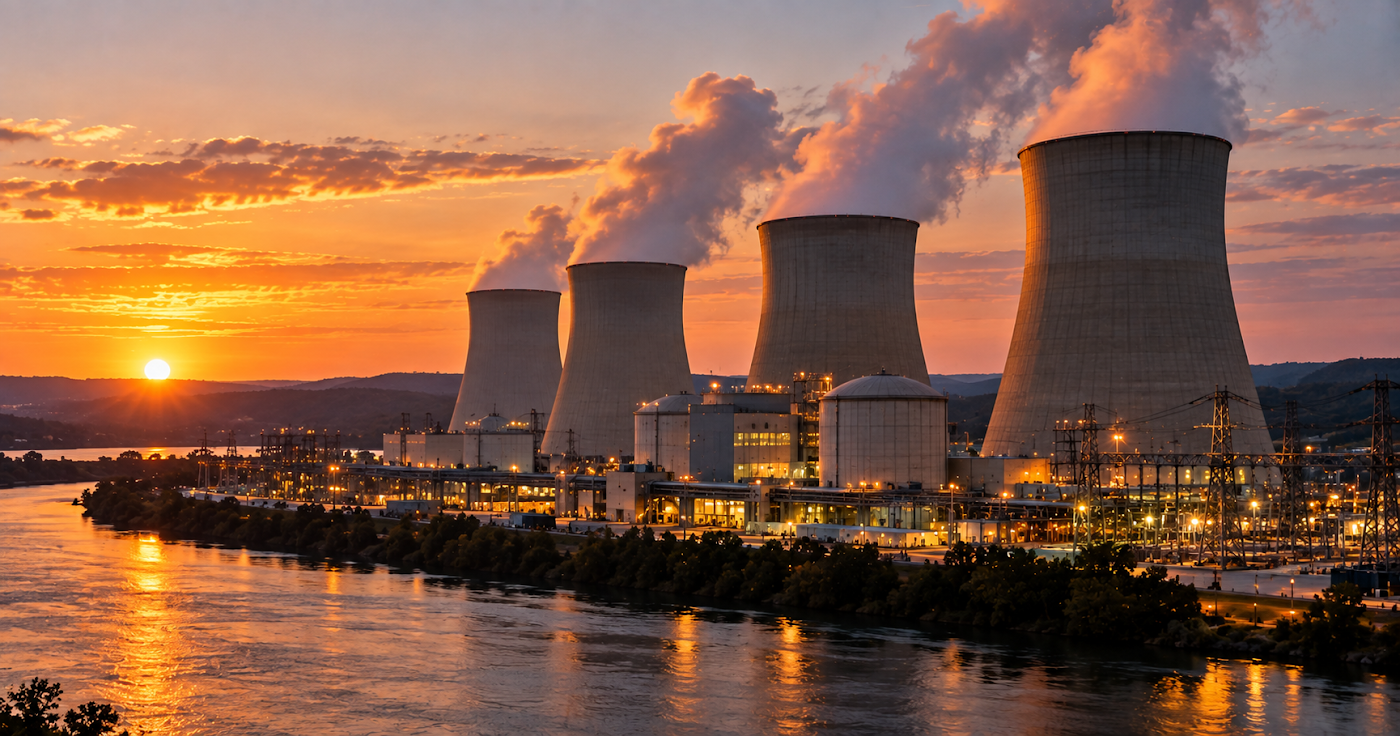
| 01 | Rates Are Billing Whoever Has to Come BackThe Fed's next move barely changed. Anyone who needs fresh money paid more anyway. |
| The Long End Did All the MovingThe 10-year yield touched 5.349% Monday, its highest since April 2002, and settled near 5.31%. The two-year rose only about 3 basis points, while long-bond yields rose more than twice as much. Kalshi's October hike contract rose to 22 cents, a long shot. The strain is supply. The Treasury sells $119 billion of notes and bonds this week, and more than half lands at 10 years and beyond. |
| Signed Property Deals Are Being ReopenedCommercial property buyers who agreed on prices earlier this year now want cuts before closing. Six to 12 months can pass between contract and close, and that gap has turned expensive. Eastham Capital won a $600,000 cut on an apartment deal of about $20 million after its borrowing costs jumped more than six-tenths of a point. Older loans are the deeper strain. Trepp says 11.42% of loans in commercial mortgage bonds sat with special servicers in August, the most since 2013. Buyers did not walk. They waited, then asked for the difference. |
| Bitcoin's Biggest Buyer Bought Back Its Own PaperStrategy (MSTR) pays for much of its bitcoin by selling preferred stock, including a series now paying 12%. Last week it spent $176.3 million buying back that preferred and $28.7 million on bitcoin. It sold just $15.7 million of common stock and drew $142.5 million from its cash reserve for dividends and interest. Coins came second. Bitcoin traded near $86,000 early Tuesday, about 32% below its record of a year ago, and spot bitcoin funds lost $89.8 million Monday. |
Outlier Signal The bond market is pricing supply, and the bill lands on anyone who must raise money again. The Treasury needs buyers for $61 billion of long debt this week. Property buyers borrow most of the price, and owners face maturing loans. Strategy needs new investors to keep buying coins, and last week it mostly paid old ones. Megacap tech funds itself from cash, which helps explain how the Nasdaq set a record while new lows beat new highs for a 26th straight session. The index shrugged. Most stocks did not. If Wednesday's 10-year auction draws weak demand while the two-year holds, the read strengthens. A strong auction weakens it. | 02 | Leaving a Private Fund Now Has a Price TagInvestors are paying to get out of private funds. KKR is paying to keep their books. |
| Three in Four Holders Chose the ExitHolders of 74.12% of Partners Group Private Equity's shares asked to cash out, far above the 40% limit that would have kept a planned restructuring alive. The plan is dead. A vote to wind down the whole London-listed fund comes Wednesday. Selling the assets could take about eight years. Shareholders chose that anyway, because the stock sat about 40% below net asset value Monday. |
| A Stranger Offered 80 Cents for Blue Owl SharesCox Capital is bidding $7.31 a share for up to $10 million of Blue Owl Credit Income Corp., a 20% discount to the fund's $9.14 net asset value. Cox is unaffiliated. In July, it bid 25% below value. Investors asked the fund to redeem $3.1 billion, or 16.8%, last quarter and got back about 30% of that. Cox's five open offers range from 12.5% to 20% off. |
| KKR Bought the Bookkeeper as Its Own Fund Hit the CapKKR (KKR) agreed to buy fund administrator Gen II for $5.1 billion including debt. Gen II keeps the books for more than 275 managers with over $2 trillion. Its revenue follows the growth of private capital, not any one fund's returns. The same day, a filing showed KKR's retail credit fund K-FITS got withdrawal requests for 5.06% of shares, just above its 5% cap. It will pay them all. A fund that takes eight years to wind down still needs its books kept. |
Outlier Signal Private markets are putting a price on time. Listed discounts, secondary bids and redemption caps now measure what leaving early costs, from 12.5% to about 40%, or a place in line. The common read is that redemption stress is fading. At the margin, it is. Those exit prices still test the stated values that fees are charged on. Administrators earn either way, since leaving takes as much paperwork as staying. Retail holders of non-traded funds carry the risk. If the Partners Group vote passes and Cox's offer is oversubscribed, exits are getting dearer. If K-FITS requests drop back under 5%, the line is clearing. | 03 | Energy Buyers Are Paying for DecadesA war spread toward a second oil chokepoint, and crude fell. Power buyers signed for 20 years. |
| The War Widened and Oil Slipped Under $100Saudi-backed Yemeni forces pushed toward the port of Mokha Monday, aiming to drive the Houthis back from the Bab al-Mandeb Strait. The Houthis claimed strikes on Riyadh's main airport and an Aramco refinery, which Saudi Arabia has not confirmed. Traders stayed calm. A Polymarket contract on the blockade ending by Oct. 31 barely moved, near 22 cents. Brent settled at $100.32 and slipped to $98.99 overnight as Hormuz tanker traffic recovered to about 76% of prewar levels. |
| Google Locked In 20 Years of Old ReactorsGoogle parent Alphabet (GOOGL) and Constellation Energy (CEG) announced a 20-year deal Tuesday to fund upgrades adding 890 megawatts at 11 existing reactors, the first due in 2028. A separate 15-year contract covers 2,700 megawatts more. A day earlier, Vistra (VST) received a federal offer of up to $4.2 billion in loans to add 433 megawatts at three plants. Meta Platforms (META) has agreed to buy that output. New reactors take a decade. Old ones are getting a second career. |
Outlier Signal Energy markets are pricing scarcity on two clocks. Oil traders treat the shortage as ending once tankers move, even with a new front near the Red Sea. Power buyers expect theirs to last for decades, so they pay to squeeze more from plants that already exist. The usual read is that Brent under $100 means the shock is easing. For crude, perhaps. Aramco's chief says refilling drained stockpiles could take up to two years, and diesel hit a record near $6.50 a gallon last month. Truckers, farmers and data-center builders without contracts are exposed. If heating oil keeps falling faster than Brent, the squeeze is easing. If that gap reopens, Aramco's warning looks right.  The three signals share one variable, and it is time. Bond buyers want more pay to wait for their money, while fund investors will take a steep discount to stop waiting and power buyers lock in decades. Oil traders price weeks. Wednesday tests the first two... a 10-year auction, the Fed's September minutes and the Partners Group vote all land that day. September consumer prices follow. |
|


