BlackRock's bitcoin fund took in $665 million on Monday, its biggest day in about a year, while every rival U.S. spot bitcoin fund saw withdrawals or no flows. Bitcoin drifted lower anyway. Glassnode's weekly report had flagged rising demand for downside protection. Protection is the price to watch this week. Firms that carry risk are leaning on calm, not price. Buyers pay most where a date is fixed. The newest buyers get a floor with a lock. 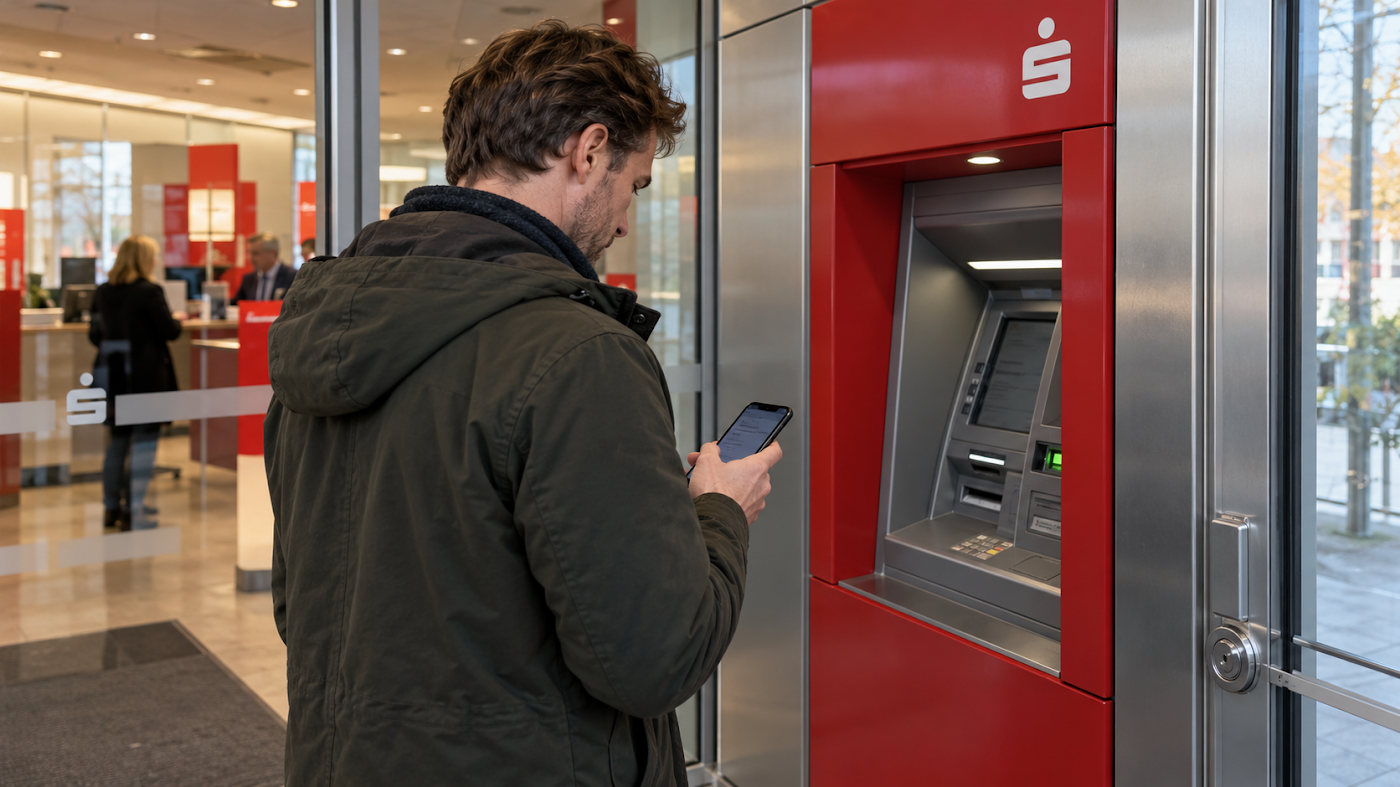
| 01 | The Risk Carriers Are Living on QuietA bank earned more because losses vanished. An insurer's operating profit rose as its price increases faded. |
| Zions' Profit Rose on $3 Million of Write-OffsZions Bancorporation (ZION) earned $1.78 a share in the third quarter, up about 20% from a year earlier and above the $1.64 consensus. Net loan charge-offs were $3 million, down from $56 million. The chief executive credited "improved credit quality" for the gain. Lending did not help. Loans were flat, which the bank put down to payoffs and competition. The net interest margin slipped to 3.23% as deposit costs rose. Charge-offs near zero leave little room to improve. |
| Berkley Held Its Margins as Its Price Increases Slowed by About 44%W. R. Berkley (WRB) earned $1.17 a share on an operating basis, slightly above consensus, with a combined ratio of 90.8%, about flat with a year ago. The weak spot is price. Average rate increases fell to about 4.0% from about 7.2% in the first quarter, excluding workers' compensation. Reinsurance premiums written fell 11.6%, and revenue missed forecasts. The shares fell about 2.4% in extended trading. Losses stayed low. The price of cover did not hold. |
Outlier Signal Both companies grew operating profit on low losses, not stronger pricing. Zions' write-offs nearly vanished while its loans stood still, and Berkley's claims stayed in check while its rate increases slowed and its reinsurance book shrank. The usual case for lenders and insurers is that Monday's 10-year yield of 5.15% pays them more. Only Berkley is collecting, with investment income up and its chief executive citing a rate tailwind, while Zions' margin has slipped. Both lean on low losses. Competition and softer pricing work against both. Chubb (CB) and Capital One (COF) report after Tuesday's close. Slower rate increases at Chubb would confirm that the price of cover is softening across the industry, not just at Berkley. Steady pricing would not. Capital One's charge-offs will test the calm. PREMIER FEATURE 
The Guardian calls it "the beginning of the biggest gold rush in history"... and one stock under $5 owns exclusive rights to harvest these rare earths. Elon Musk and his companies need these minerals before a January 1 Pentagon deadline. See the full story here. | 02 | Risk With a Date Is Where Buyers Pay UpMoody's looks at France on Friday. Brazil votes on Sunday. Investors are paying up for both. |
| France's Premium Returned to Near Its Widest in a YearFrance's 10-year yield rose about 14 basis points on Monday to about 4.93%, its biggest one-day jump since March 2025, per Trading Economics. The premium over German debt widened to about 147 basis points, close to its widest in a year. German yields rose only about 4 basis points. Bonds steadied on Tuesday under curfews. Stocks slipped again. The Assembly's revenue vote, set for Tuesday, has been pushed back, Le Monde reported, and debate is expected to resume around Oct. 27. Moody's reviews France's Aa3 rating, on negative outlook, before that vote. |
| Brazil's Currency Hedgers Paid the Most Since 2011On Polymarket, Flávio Bolsonaro's contract for Sunday's runoff traded near 77 cents early Tuesday, down about 10.5 points in a week and barely changed overnight. Four polls published Monday put him narrowly ahead of President Lula, two of them outside the margin of error. Currency traders were less calm. The one-month risk reversal on the real, the extra cost of insuring against a weaker currency, hit 7.88% on Oct. 16, Valor reported. That was its highest since 2011. The odds price the winner. The hedges price the damage. |
Outlier Signal In both countries the fear has a date. French bonds repriced ahead of Friday's review and Saturday's planned protests. Brazil's currency hedges hit their highest cost since 2011 ahead of Sunday's vote, even as the prediction market settled on a favorite. Ratings and elections are often treated as known events. Here, buyers are paying for the size of a bad outcome, not just its odds. Holders of French banks and Brazilian assets carry the gap. A French spread back below 140 basis points before Friday would say the riot premium was fading. A risk reversal that eases after Quaest's poll on Wednesday, partly taken after Sunday's debate, would say Brazil's hedgers are standing down. FROM OUR PARTNERS You’re Being LIED To About The Iran War
Forget EVERYTHING you’ve heard about the Iran war. Especially the reasons why we’re bombing the country. Because THIS is the real reason. | 03 | The New Buyers Get a Floor With a LockBitcoin and private equity are being repackaged for savers. Each wrapper softens the ride and limits the exit. |
| BlackRock Filed for Bitcoin With a Floor and a CapBlackRock (BLK) filed on Oct. 19 for the iShares Bitcoin Managed Protection ETF, ticker PBIT. It would buy options on its own bitcoin fund, the iShares Bitcoin Trust (IBIT), to limit both losses and gains. Each of its three options layers would typically cap losses near 10%, before fees. The fee, the upside cap and the exchange are blank, and the filing warns that investors may lose some or all of their money. Upside pays for the floor. |
| German Savings Banks Now Sell Bitcoin That Cannot LeaveThe first of Germany's Sparkassen savings banks began selling bitcoin and four other tokens inside their banking app on Monday, through DekaBank. Another 30 to 40 banks are expected to join each month. Orders cost €0.99. Deka holds the coins and the keys. Customers cannot move them out. Easy to buy. Hard to take home. |
| New York's Pension Chief Says Retail Private Equity Has an Exit ProblemMonte Tarbox, chief investment officer of New York City's roughly $326 billion pension system, said private equity funds are charging investors more, the Financial Times reported. A firm he did not name asked the pension to cover its staff's private jet travel. He tied rising costs to the push for individual investors' money, and warned that retail private equity funds promise more liquidity than their assets allow. He said that could lead to a crisis. Blackstone (BX) reports Thursday. The door stays open until everyone tries it. |
Outlier Signal Each product sells individual buyers a smoother ride and pays for it with a limit. PBIT trades upside for a floor. Sparkassen customers give up the right to move their coins, and evergreen private equity funds offer withdrawals that managers can cap. The pitch is wider access. The wrappers also keep the money inside the provider's walls. The cost shows up when buyers want out or gains run past a cap. Blackstone's results on Thursday, Oct. 22, should show whether withdrawals from its funds for individuals are rising. Rising withdrawals, or a tight cap in BlackRock's amended filing, would confirm that the limits are the real price. Steady flows would weaken it.  Protection is being priced unevenly. Lenders and insurers lean on quiet losses as the price of risk softens. Investors pay up where a date is fixed. The newest buyers get floors with locks. Chubb and Capital One report Tuesday night, Blackstone on Thursday and Moody's on Friday, two days before Brazil's voters settle the runoff. |
|


