Grab a coffee. It's Fed day, and Microsoft and Alphabet report tonight. Yesterday Polymarket had Gadi Eisenkot as the favorite to lead Israel. The count flipped that. Benjamin Netanyahu is near 45 cents, Eisenkot near 25, and no bloc is near a majority. Now three questions. Will central banks hike into $100 oil? Why are great quarters getting sold? Why is private money buying slices? Short version: everybody wants proof before they pay. 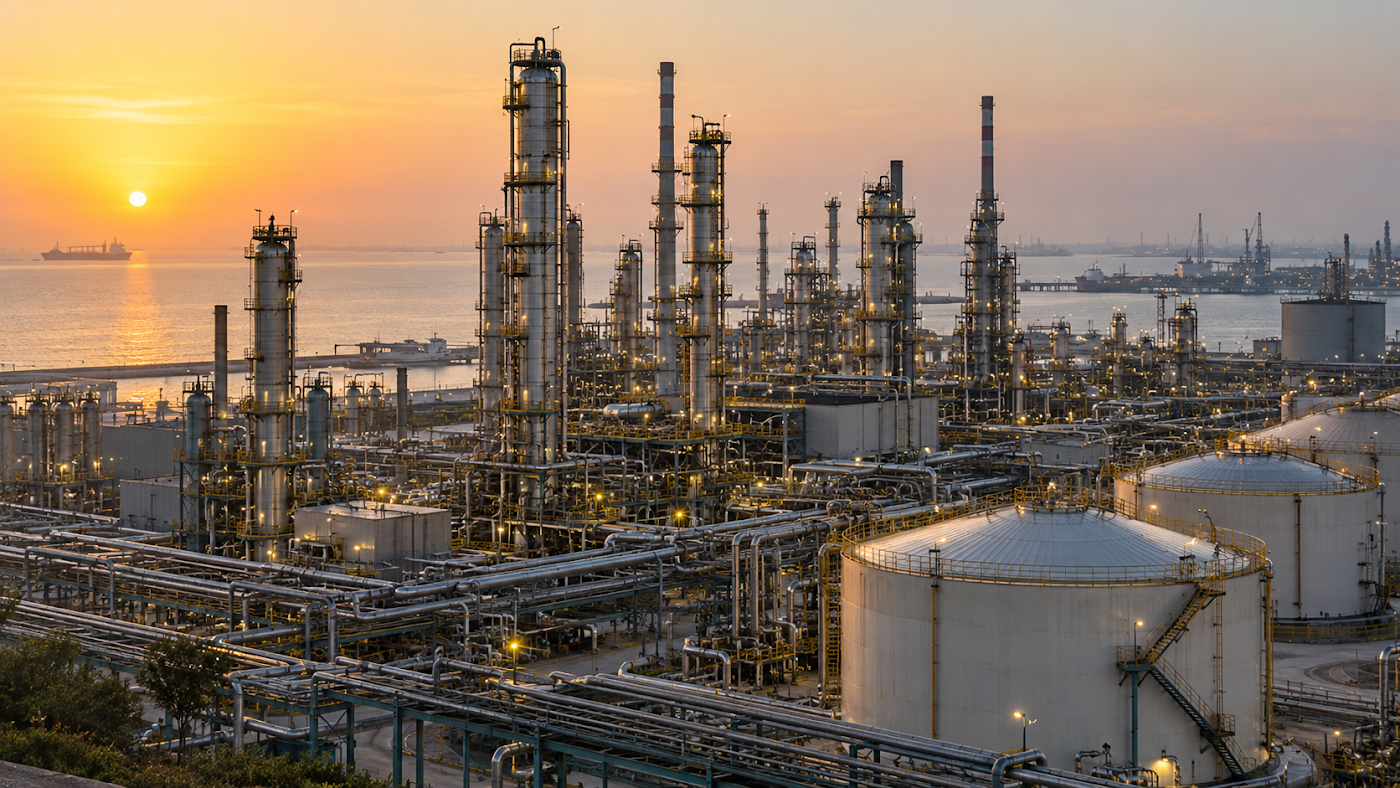
| 01 | Rates: Will Central Banks Hike Into $100 Oil? |
| New Zealand Waited by One Vote. Australia's Inflation Hit 4.3%.New Zealand's central bank held at 2.75% in a 4-3 vote when markets had priced a hike. All seven members agreed tighter policy is likely needed, and markets still price a December move at about 80%. Half an hour earlier, Australia's annual inflation rate hit 4.3% in September, above forecasts. Fuel prices jumped 9.4% in that month alone. Same oil shock, two answers. The kiwi dollar fell after the decision, and a weaker currency makes imported fuel pricier. Waiting has its own cost. |
| Oil Is Back Above $100. The Damage Is Unconfirmed.U.S. crude climbed back above $100 overnight. Neither catalyst is confirmed. Yemen's Houthis claimed Tuesday that a missile hit Saudi Arabia's Ras Tanura refinery, and Saudi Arabia hasn't confirmed damage. Brent still fell that day. Overnight, The Wall Street Journal reported the U.S. told Gulf states to prepare for a short, intense campaign against Iran after the Nov. 3 midterms. Accounts of the report say no final decision has been made. The tell: heating oil fell overnight while crude rose, and it still lags. A refinery hit usually lifts fuel first. On Polymarket, the ceasefire holding through Nov. 15 sits near 52 cents. |
| The Fed Hike Bet Fell to a Nickel. December Is the Real Trade.On Kalshi, the contract paying on a quarter-point hike today fell to about 5 cents from 7, after one trade of about 120,000 contracts sold the hike Tuesday. Polymarket's no-change contract sits near 95 cents. The open question is December, where Kalshi still puts a hike near 79%. So the 2 p.m. statement and Chair Warsh's press conference matter more than the decision. Canada goes first, at 9:45 a.m., and is widely expected to hike. One shock. Three clocks. |
Outlier Signal The room says an oil shock forces rate hikes. Right but incomplete. Central banks are split on whether fuel is a passing tax or the start of broader inflation. New Zealand waited. Canada is priced to hike. The Fed is priced to wait. Here's the link. Betting markets put the war risk around and after the Nov. 3 midterms, and oil appears to agree. Rate traders put the next hikes in December, for New Zealand and the Fed alike. Our read: the hike is priced for the same window as the war risk. If that window passes quietly, December gets harder to justify. THE MOVE If you hold bonds or rate-sensitive stocks, watch Canada first. A hike there would weaken this read. Then listen for whether Warsh calls December live. Kalshi's December hike odds below 70% would say traders think the Fed can wait out oil. | 02 | Earnings: Why Are Great Quarters Getting Sold? |
| SK Hynix's Operating Profit Beat by About $4.7 Billion. Seoul Bought It.Memory maker SK Hynix posted operating profit of 83.3 trillion won, an 80% margin, topping forecasts by about $4.7 billion. On its call, it said average DRAM chip prices rose by a high-20s percentage from the prior quarter. Shares jumped 10.9% in Seoul. Below the line, net profit fell 58% from the second quarter. The company tied that to currency and investment-valuation losses, against a second quarter lifted by Kioxia-related gains. |
| Seagate and Teradyne Beat and Guided Above Forecasts. Both Fell.Seagate (STX) grew revenue 61% and guided next quarter's earnings to $9.20 a share, well above the $8.61 expected. Teradyne (TER), which tests chips, grew revenue 70%. Both stocks traded lower after hours. Look at Teradyne's sequence. Third-quarter revenue was slightly below the second quarter's, and the fourth-quarter guide is about flat again. Huge growth from a year ago. No acceleration from here. |
| Robinhood Now Makes More on Predictions Than on CryptoRobinhood (HOOD) made $173 million from event contracts, its prediction-market product, up more than sixfold. Crypto revenue fell 55% from a year ago to $120 million, though it rose about 20% from the spring. The stock still fell about 8% after hours. Net income dropped 14%, and credit-loss provisions nearly tripled. Coinbase (COIN) reports Thursday. The last quarter paid. The next one has to. |
Outlier Signal The room says beats get bought. Wrong this week, at least in the U.S. SK Hynix rallied as memory prices keep climbing fast. Seagate guided higher and still slipped, as investors may doubt margins this high can hold. Teradyne's sales have gone flat from one quarter to the next. Robinhood's profit and credit costs moved the wrong way. Our read: investors are grading direction and durability, not size. A record quarter is old news by the time it's a record. THE MOVE If you own AI hardware, Microsoft and Alphabet's spending plans tonight feed straight into memory and test gear. Beats with falling stocks would back this read. A rally on raised spending would weaken it. FROM OUR PARTNERS 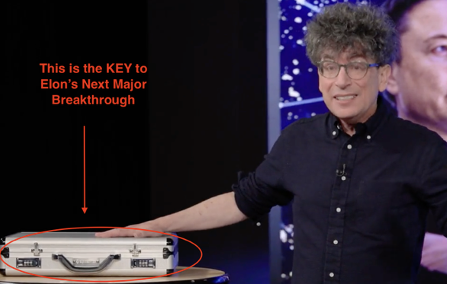
Renowned tech investor James Altucher – the man who called the rise of Nvidia, Apple and SpaceX years in advance – just uncovered Elon Musk’s latest breakthrough idea…And according to James, it’s going to be even bigger than the SpaceX IPO – creating up to 1.8 million new millionaires over the coming years. The pieces behind it are inside this briefcase – which he reveals 100% FREE in this video. Click here now for all the details. | 03 | Private Money: Why Buy a Slice Instead of the Whole? |
| BCE Is Selling Half Its Towers. It Will Pay Rent.Canada's BCE (BCE) is selling 49.9% of a new tower company to La Caisse, the Quebec pension investor, for C$2.45 billion. That values more than 5,000 Bell wireless sites at about C$4.9 billion. Bell keeps control and will rent space on towers it used to own outright. What's missing is the lease terms, which decide whether this is cheap money or a costly rent bill. |
| Warburg Outbid a Rival by Pre-Selling the PiecesWarburg Pincus raised its bid for Australia's Ingenia to A$5.45 a security in cash, plus a distribution of up to 5 cents. That's 10 cents above rival AVID. The trick: it lined up buyers for parts first, with Discovery Parks taking the holiday parks and LDR Capital the gardens business. AVID has until Nov. 1 to match. Ingenia closed at A$5.26 Wednesday, below the cash price, since the bid is non-binding and far from final. |
| KKR Gave a 2017 Loan Fund a Second LifeKKR (KKR) closed its first continuation fund for private credit, PitchBook reported, with more than $460 million of commitments led by Allianz Global Investors. It holds loans from a lending fund that finished raising in 2017. Investors could cash out or roll over. KKR hasn't announced the deal, and the price against the loans' stated value wasn't disclosed. Three deals. Three missing price tags. |
Outlier Signal The room says private money is drying up. Wrong. This week a pension fund agreed to pay C$2.45 billion, Warburg lined up two buyers for parts of a target, and Allianz led a $460 million-plus credit deal. What's scarce is a price on the whole. Each buyer took the piece it could value: rent, holiday parks, seasoned loans. Each deal kept back the number outsiders need. Our read: capital flows to slices with visible cash, while pricing stays private. That works until someone has to mark what's left. THE MOVE If you own private-credit or infrastructure funds, watch for prices. AVID answers by Sunday. KKR reports Nov. 9, and any disclosed discount would show what seasoned loans fetch. PARTNER SPOTLIGHT He predicted the 2008 financial crisis…He predicted Trump’s election in 2016…. He even predicted the rise of COVID-19 writing: “The chance we don’t have something on the scale of a national pandemic in the next few years is near zero” That was three months before the first reported case. If he’s right again, God Bless America… Because this crisis will be tectonic in scale…and it's going to begin with the bubble popping in AI. Click here to view his latest warning  Central banks want proof oil is spreading. Stock buyers want proof the next quarter is better. Private buyers want proof of cash. Today brings some: Canada at 9:45 a.m., the Fed at 2 p.m., Microsoft and Alphabet tonight. Amazon and Coinbase follow Thursday, and the midterms Tuesday. Keep the coffee warm. See you before the bell. |
|


